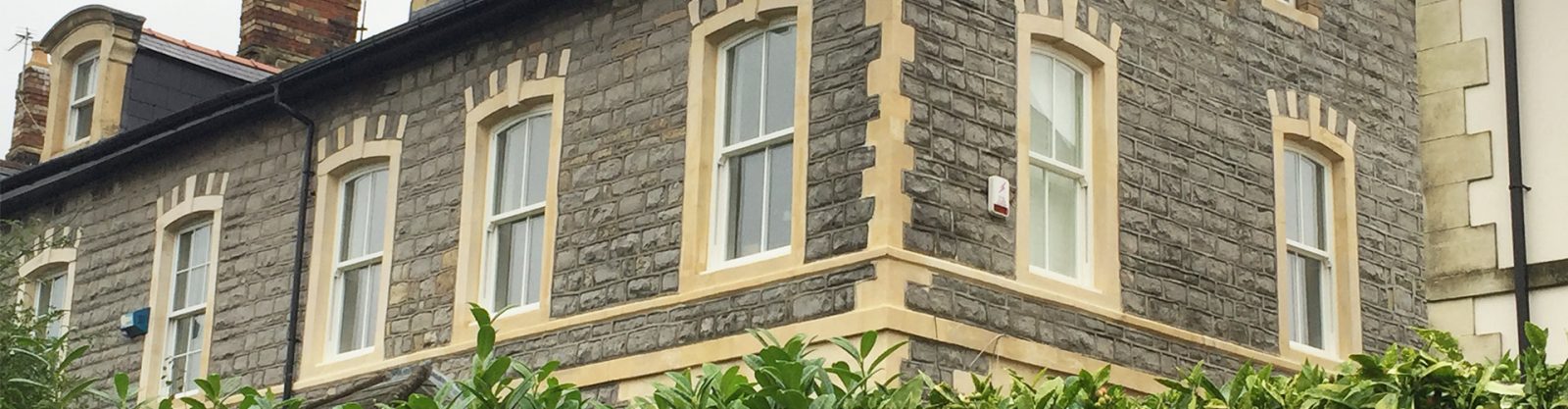
Roseview Window Styles

Traditional Sash Window Styles

Traditional sash window styles vary according to the architectural period in which a property was built. Georgian sash windows are typically recognised by multiple smaller panes; Victorian designs introduced larger areas of glass and sash horns, while Edwardian sash windows often combined elements of both earlier styles.

Sliding sash windows have been a defining feature of British architecture for centuries, evolving in appearance as glass manufacturing, building styles and decorative preferences changed. Today, these period details remain important considerations when choosing replacement windows for Georgian, Victorian, Edwardian, and other character properties.

Where replacement is appropriate, modern uPVC sash windows can recreate many of the proportions and traditional features of original timber designs while offering modern energy efficiency, security, and low-maintenance performance. Choosing the right glazing pattern, sash horns, meeting rails, colours, and furniture can help create a window that complements the property’s age and character.

Style Typical glazing pattern Sash horns Common period
Georgian Six-over-six Usually absent Georgian
Victorian Often two-over-two Common Victorian
Edwardian Often six-over-two Common Edwardian

These are typical design characteristics rather than absolute rules. Historic sash window designs varied according to property type, date, region and later alterations.

Roseview Ultimate Rose

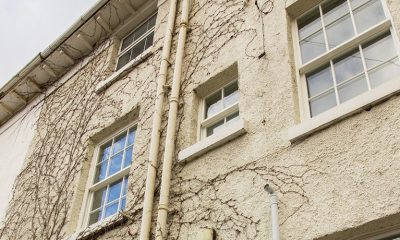
Georgian Windows

Georgian sash windows are best known for their traditional six-over-six glazing pattern, with six smaller panes in the upper sash and six in the lower sash. Historically, astragal bars were used to divide and support individual panes of glass, reflecting the limitations of glass manufacturing at the time.

Learn More

Roseview Ultimate Rose

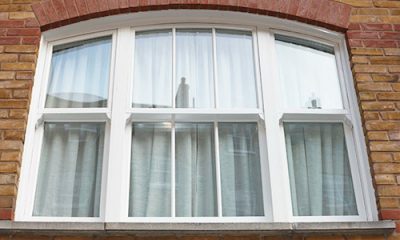
Victorian Windows

Victorian sash windows typically feature larger areas of glass than Georgian designs, with a two-over-two glazing pattern being particularly characteristic of the period. Improvements in glass manufacturing enabled larger panes, creating brighter interiors and a cleaner appearance.

Learn More

Roseview Ultimate Rose

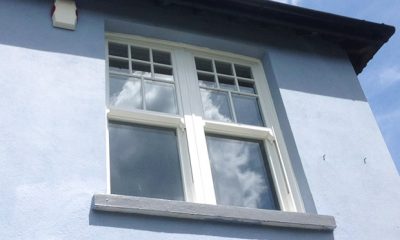
Edwardian Windows

Edwardian sash windows often combine elements of Georgian and Victorian design, with a six-over-two glazing pattern being one of the most recognisable configurations. Smaller panes across the upper sash provide decorative character, while two larger panes below create a more open appearance.

Learn More

Astragal bar designs

Astragal bars are one of the most recognisable features of traditional sash windows. Historically, they divided and supported individual panes of glass, creating the characteristic glazing patterns associated with Georgian, Victorian and Edwardian properties.

Modern sash windows can recreate these traditional layouts using decorative astragal bars, allowing homeowners to achieve an authentic period appearance while benefiting from contemporary glazing.

Astragal Bar Sash Windows
Traditional Window Features

Traditional window features

Traditional sash windows are defined by details that reflect the craftsmanship and proportions of original timber designs. Astragal bars recreate historic glazing patterns, while sash horns add the distinctive character associated particularly with Victorian and Edwardian windows.

Slim meeting rails and deep bottom rails also play an important role, helping modern sash windows reproduce the balanced proportions of traditional frames. Putty-line detailing can further enhance the timber-style appearance by replicating the angled glazing finish found on original sash windows.

Traditional locks, sash lifts and other period-style furniture complete the design. By selecting features suited to the property’s age and architecture, modern uPVC sash windows can achieve an authentic appearance without overcomplicating the overall style.

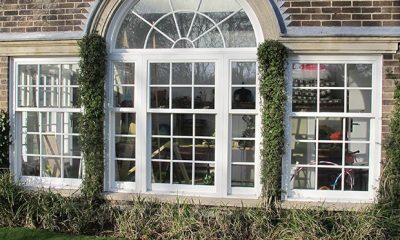
Ornate window designs

Victorians especially had a flair for design and enjoyed creating elaborate windows, with arches or bespoke shapes to add character to a building. We can see this in some of the stately homes and orangeries built during the period, with impressive glazed sections used to show off their wealth. Today, these decorative windows are easy to replicate – down to the last detail.

Ornate Window Designs
Bespoke Sash Windows

Bespoke windows

Although their roots are firmly set in tradition and authenticity, there’s no harm in tailoring a sash window designed entirely from the ground up to evoke the charm of the past, with a notable custom twist. Configurable astragal bars and distinct colour tones make it easy to create a bespoke sash window style outside of conventional Victorian, Edwardian and Georgian designs, resulting in a window that is truly unique to your home and personal taste.

Can You Replace Traditional Windows in a Conservation Area?

Replacing traditional windows in a conservation area may be possible, but additional planning controls can apply depending on the property and its location. Listed buildings and homes affected by an Article 4 Direction can also be subject to stricter requirements, particularly where changes would alter the building’s historic character.

For period properties, choosing sash windows with appropriate proportions, glazing patterns and traditional detailing can help create a more sympathetic replacement. However, requirements vary between local authorities, so homeowners should always check with their local planning authority before replacing existing windows.

Where replacement is appropriate, high-quality timber-alternative sash windows can provide traditional styling alongside modern energy efficiency, security and low-maintenance performance.

Frequently Asked Questions

The three most recognisable traditional sash window styles are Georgian, Victorian and Edwardian. Georgian windows commonly feature six-over-six glazing, Victorian sash windows often use larger two-over-two panes and sash horns, while Edwardian designs frequently combine smaller upper panes with larger panes below.

The most suitable sash window style usually depends on the age and architecture of your home. Glazing-bar layouts, sash horns, meeting-rail proportions and other original details can provide useful clues. For period properties, matching the replacement window to the building’s architectural era can help achieve a more authentic appearance.

Yes. High-quality uPVC sash windows can closely replicate traditional timber designs using features such as slim meeting rails, deep bottom rails, astragal bars, sash horns, putty-line detailing and period-style furniture. Timber-effect colours and finishes can further enhance the traditional appearance while offering the low-maintenance benefits of modern uPVC.

Replacement sash windows may be permitted in a conservation area, but additional planning controls can apply. Requirements can be stricter for listed buildings or properties affected by an Article 4 Direction. Homeowners should check with their local planning authority before replacing historic or traditional windows.